

How to Craft / Obtain
Uses for this Item (Recipes Including This)









About
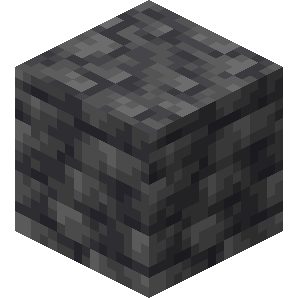
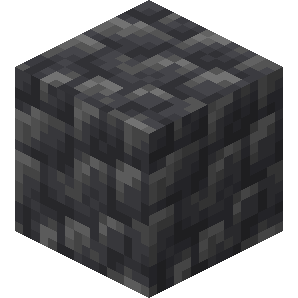
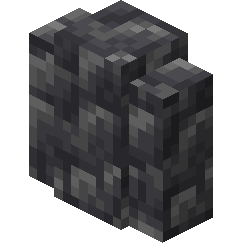
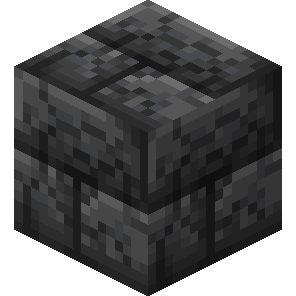
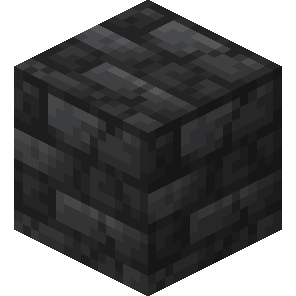
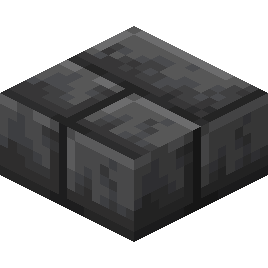
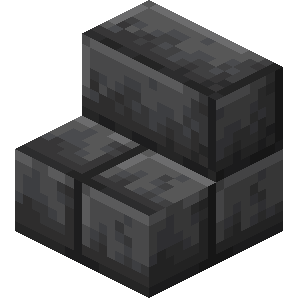
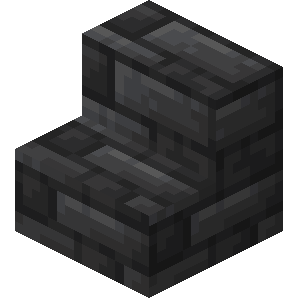
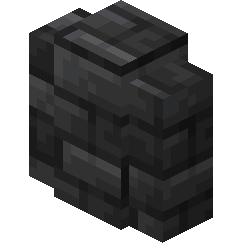
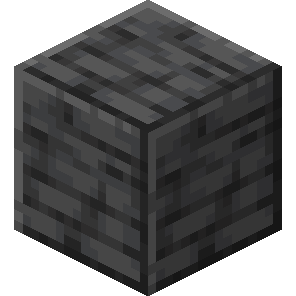
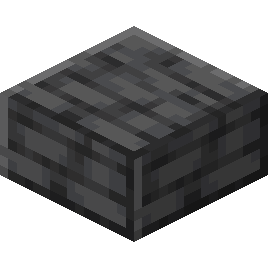
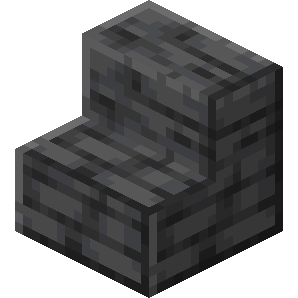
Deepslate is a distinctive stone type found exclusively below Y equals zero in the Overworld, functioning similarly to regular stone while introducing unique mining properties and placement mechanics. When players attempt to mine deepslate, it takes significantly longer than standard stone and requires a pickaxe enchanted with Silk Touch to be obtained in its natural form; otherwise, breaking it yields cobbled deepslate or nothing at all if an incorrect tool is used.
The natural generation of deepslate defines the subterranean landscape of the Overworld, where it makes up the majority of solid blocks generated below Y equals zero. During world generation, regular stone is gradually replaced starting from Y equals eight down to Y equals zero until deepslate completely takes over, and it also spawns in great quantities within the perilous depths of ancient cities.
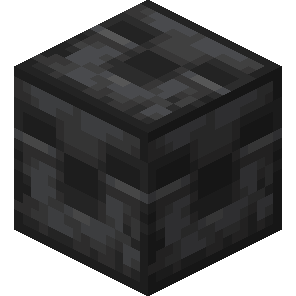
Beyond its natural occurrence, deepslate has specific interactions and post-generation features linked to world updates and structure loot. In ancient cities, specifically within the city center structures, a furnace can occasionally generate containing twenty-four blocks of deepslate inside, while worlds generated before the Caves and Cliffs Part Two update have their bedrock layer between Y equals zero and four replaced with deepslate upon loading.
In terms of usage and placement, deepslate can be positioned in three distinct orientations similarly to logs, allowing for varied decorative textures and architectural designs. Additionally, silverfish can interact with deepslate by entering and hiding inside it, which creates an infested block that surprises miners during underground exploration.
The historical naming and visual characteristics of deepslate stem from development choices and texture design principles. Brandon Pearce explained that the original name grimstone was changed because the word grim carried too many negative connotations, leading to the selection of deepslate to accurately describe its location and classification as a type of slate, while its texture orientation naturally varies depending on world coordinates just like regular stone.