

How to Craft / Obtain
Uses for this Item (Recipes Including This)
About
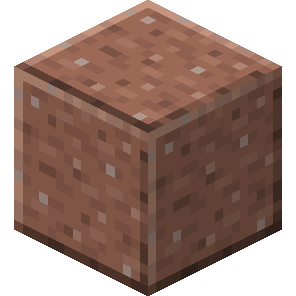
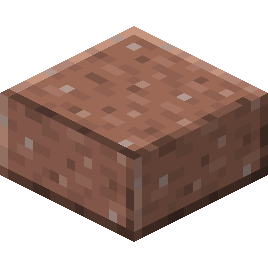
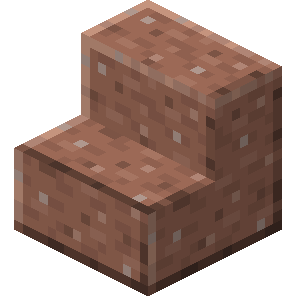
Polished granite is a specialized and processed decorative variant of standard granite within Minecraft, offering builders an aesthetically refined alternative for architectural detailing. It retains the foundational structural properties of its raw geological counterpart while presenting a smoother, more elegant surface texture that is well-suited for polished interiors, castle walls, and paved flooring designs.
When it comes to acquisition and generation, polished granite can be efficiently mined using any pickaxe tier in the game, though attempting to break the block without a pickaxe results in it dropping nothing. Beyond manual stone processing methods, natural generation of polished granite occurs natively within various ocean ruin variants scattered across underwater environments, allowing players exploring oceanic biomes to encounter the block naturally.
In terms of functional utility, polished granite is currently utilized exclusively for decorative building applications throughout the game world. Despite its decorative nature, it shares the exact same blast resistance statistics as standard stone, making it a reliable and aesthetically pleasing structural substitute for stone when constructing defensive walls, flooring, or pillars.
Historical documentation and community resources surrounding the block include detailed explorations and analyses, such as the featured article titled Block of the Month: Polished Granite written by Duncan Geere and published on Minecraft.net on November 29, 2025. This official coverage highlights its enduring popularity among builders seeking warm, reddish-brown tones for their architectural projects.
Ongoing support and community tracking for the block are maintained through official channels, where any bugs, rendering glitches, or technical issues relating to polished granite are logged and monitored on the dedicated Minecraft bug tracker. Players and map makers can consult these tracking repositories to view known issues and report any newly discovered anomalies concerning its behavior or rendering.