
Armor trims are the decorative patterns you can put on a piece of armor. They are purely cosmetic — no extra protection, no extra durability, no stat change of any kind. What they do give you is a way to show off where you have been: a trim pattern is tied to the structure it comes from, so the armor on your back is a record of your exploration.
Trims came with the Trails and Tales update in 1.20. Bolt and Flow were added later with Trial Chambers in 1.21. There are 18 trim patterns and 11 trim materials, and every combination works on every armor piece.
The 18 patterns 
Here is every pattern, rendered on a piece of armor.
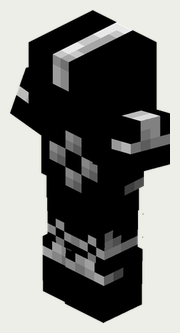 |
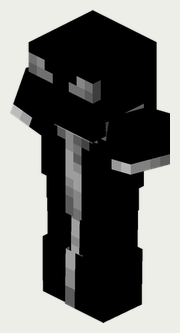 |
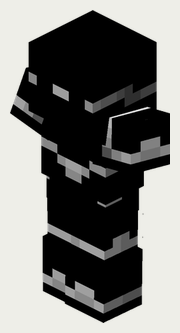 |
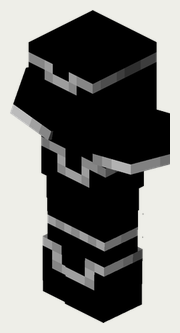 |
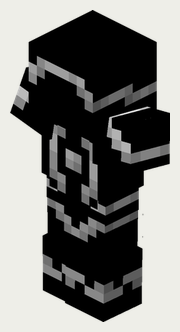 |
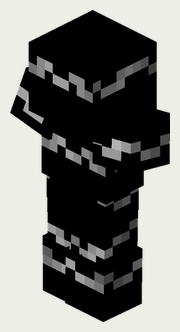 |
|---|---|---|---|---|---|
| Sentry | Vex | Wild | Coast | Dune | Wayfinder |
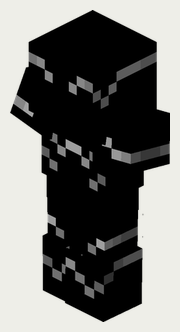 |
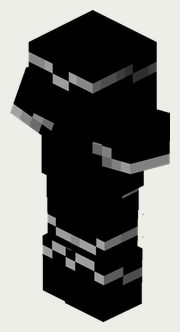 |
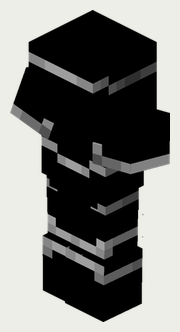 |
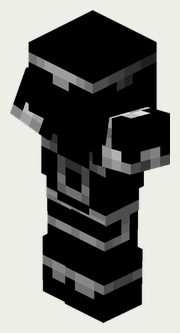 |
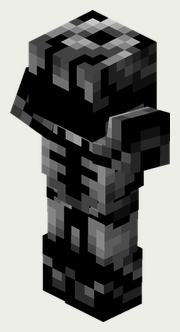 |
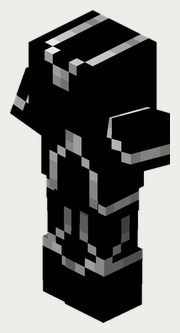 |
|---|---|---|---|---|---|
| Raiser | Shaper | Host | Ward | Silence | Tide |
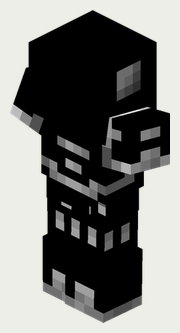 |
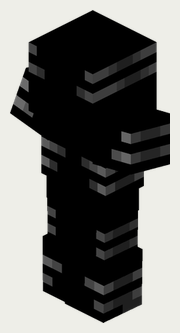 |
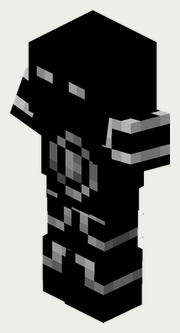 |
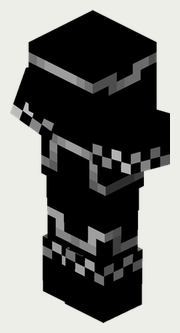 |
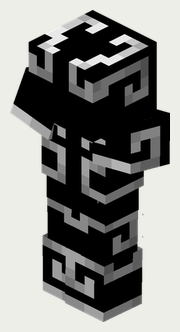 |
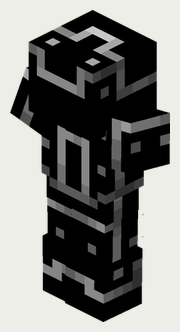 |
|---|---|---|---|---|---|
| Snout | Rib | Eye | Spire | Flow | Bolt |
And where each one comes from, with how rare it is:
| Pattern | Template | Found in | Rarity |
|---|---|---|---|
| Sentry |  |
Pillager Outposts | Uncommon |
| Vex |  |
Woodland Mansions | Rare |
| Wild |  |
Jungle Pyramids | Uncommon |
| Coast |  |
Shipwrecks | Uncommon |
| Dune |  |
Desert Pyramids | Uncommon |
| Wayfinder |  |
Trail Ruins | Uncommon |
| Raiser |  |
Trail Ruins | Uncommon |
| Shaper |  |
Trail Ruins | Uncommon |
| Host |  |
Trail Ruins | Uncommon |
| Ward |  |
Ancient Cities | Rare |
| Silence |  |
Ancient Cities | Epic |
| Tide |  |
Elder Guardian drops | Uncommon |
| Snout |  |
Bastion Remnants | Uncommon |
| Rib |  |
Nether Fortresses | Uncommon |
| Eye |  |
Strongholds | Rare |
| Spire |  |
End Cities | Rare |
| Flow |  |
Trial Chambers (ominous vaults) | Uncommon |
| Bolt |  |
Trial Chambers (vaults and chests) | Uncommon |
How trimming works 
Trimming happens at a smithing table. You put three things in:
- The trim template in the left slot — this decides the pattern.
- The armor piece in the middle slot — anything trimmable will do.
- The trim material in the right slot — this decides the color.
The template is consumed. The material is consumed too. What comes out is the same armor piece with a pattern painted over it in the color you chose. An armor stand preview on the right of the GUI shows you the result before you commit.
Trimming is free — no XP is consumed, and the armor keeps its enchantments, its durability and its custom name.
What you can trim 
Everything in the armor slot: leather, chainmail, iron, gold, copper, diamond, netherite, and turtle shells. Horse armor is the one exception — it has no trim slot.
One trim per piece 
A piece of armor can only carry one trim. Apply a second template to already-trimmed armor and the old pattern is overwritten, not stacked. If you are not sure which pattern you want, duplicate the template first and hold the spare.
Matching materials look darker 
If the trim material is the same as the armor material — gold trim on gold armor, iron trim on iron armor — the color palette is slightly darker. It is a subtle effect, and it is the only visual difference between matching and non-matching.
The 11 trim materials 
The material you pick is purely a color choice. These are the 11 options:
| Material | Looks like |
|---|---|
 Amethyst shard |
Purple |
 Copper ingot |
Warm brown-orange |
 Diamond |
Cyan |
 Emerald |
Green |
 Gold ingot |
Yellow-gold |
 Iron ingot |
Pale gray |
 Lapis lazuli |
Deep blue |
 Nether quartz |
Off-white |
 Netherite ingot |
Dark gray-brown |
 Redstone dust |
Dark red |
 Resin brick |
Bright orange |
Resin brick is the odd one out — it is not an ingot or a gem. You smelt a resin clump to make one, and resin clumps appear on pale oak trees when a creaking is attacked at night. Woodland mansion chests also contain them.
Finding each trim 
Overworld 
Sentry — pillager outposts. 25% per chest, two at a time. Relatively common once you know where to look.
Wild — jungle pyramids. 33.3% per chest, two at a time. The best odds of any chest-based trim.
Coast — shipwrecks. 16.7% in each of the three chest types: treasure, map and supply.
Dune — desert pyramids. 14.3% per chest, two at a time.
Vex — woodland mansions. 50% per chest, but only in the chests that roll random loot. The chests in the allium room, sapling farm, tree-chopping room and fake End portal room have fixed loot and never contain it.
Trail Ruins — Wayfinder, Raiser, Shaper and Host are all found the same way: brush suspicious gravel inside the ruins. They only ever come out of the rare suspicious gravel, at 8.3% each. These four are the only trims that require a brush.
Ward — ancient cities, 5% per chest. Most chests in the city can contain it, except the ice box chests.
Silence — ancient cities, 1.2% per chest. This is the rarest trim in the game and the only Epic one. You will be looting a lot of ancient city chests before one turns up. It is worth duplicating the moment you get it.
Eye — strongholds. 10% in an altar chest, and 100% in the library chest — that one is a guaranteed find.
The Nether 
Rib — nether fortresses, 6.7% per chest.
Snout — bastion remnants, 8.3% in each chest type: bridge, treasure, hoglin stable and generic.
Tide — dropped by elder guardians, 20% per kill. Looting does not improve the odds and the guardian does not need to be killed by a player. This is the only trim you get from a mob rather than from a chest.
The End 
Spire — end cities, 6.7% per chest.
Trial Chambers 
Flow — ominous vaults, 22.5%. Ominous vaults are the purple variant that needs an ominous trial key, which you get by clearing an ominous trial spawner. Every combat chamber has one, and there are more at the ends of corridors.
Bolt — standard vaults and reward chests, 6.3%.
Duplicating templates 
This is the important part. Every trim template can be duplicated, so you only have to find one of each pattern once.
The recipe is the same shape for all of them: seven diamonds, one template, and one themed block, arranged as:
Diamond  Template  Diamond
Diamond  Block     Diamond
Diamond  Diamond   Diamond
That gives you two templates. Repeat it as many times as you like — templates stack to 64.
Which block you need depends on the pattern:
| Pattern | Block for duplication |
|---|---|
| Sentry |  Cobblestone |
| Vex | Cobblestone |
| Coast | Cobblestone |
| Wild |  Mossy Cobblestone |
| Dune |  Sandstone |
| Wayfinder |  Terracotta |
| Raiser | Terracotta |
| Shaper | Terracotta |
| Host | Terracotta |
| Ward |  Cobbled Deepslate |
| Silence | Cobbled Deepslate |
| Tide |  Prismarine |
| Snout |  Blackstone |
| Rib |  Netherrack |
| Eye |  End Stone |
| Spire |  Purpur Block |
| Flow |  Breeze Rod |
| Bolt |  Block of Copper (or Waxed Block of Copper) |
Flow is the odd one out — it is the only trim that uses an item rather than a block. A breeze rod goes in the middle.
Once you have two of a pattern, you can stop searching for it entirely and make as many as you want.
The Netherite Upgrade template 
A separate thing from the trims, but it lives in the same world. The Netherite Upgrade template is what you need to turn diamond gear into netherite gear. It is found only in bastion remnants, and it duplicates with seven diamonds and a block of netherrack.
Worth mentioning here because the two systems share a slot in the smithing table, and it is easy to reach for the wrong template.
Advancements 
Two advancements track this:
Crafting a New Look — unlock it by trimming any armor piece with any pattern at all. Every one of the 18 patterns counts.
Smithing with Style — a challenge advancement worth 150 XP that requires you to apply all eight of the exclusive patterns: Spire, Snout, Rib, Ward, Silence, Vex, Tide and Wayfinder. These are the rare ones — Silence and Vex in particular are the hardest patterns to come by.
Your advancement progress is shown on your player profile on this site — see Useful Commands for the in-game commands, or the Players list to see who has finished what.
A few things worth knowing 
- Trims carry over through a netherite upgrade. Trim your diamond armor first, then upgrade it, and the trim stays on the netherite version.
- Piglins still hate you over gold trim. Gold-trimmed armor does not make piglins neutral, and piglins will not pick up gold-trimmed armor off the ground — unless the armor underneath is gold too.
- Non-netherite armor with a netherite trim still burns. A netherite trim on iron armor does not make it fireproof.
- Silence covers the most. Every other pattern is a thin detail on the armor surface. Silence covers most of the piece, which is why it looks so different and why it is worth the grind.
- Trim the copy, not the original. Templates get consumed on use. If you are unsure, keep one template and use the duplicate on your real armor.
- It works on Bedrock too. If you joined from Android, iOS or console, trimming behaves the same and the renders look the same.
Where to start 
If you have not trimmed anything yet: craft a smithing table (two iron ingots on top, four planks underneath), find a structure with a decent chest rate, and start collecting. Sentry in pillager outposts, Wild in jungle pyramids and Coast in shipwrecks are the three easiest to get going, and all three hand you two templates per find.
The web map is the fastest way to find a structure you have not visited yet — it is linked from the Plugins page, along with everything else running on the server.
Once you have a few patterns, duplicate everything you find. A template in a chest is a one-time find; a template in a crafting table is unlimited.
If you get stuck on the basics, the FAQ covers joining, versions and reporting problems. If your client is refusing to connect, Default Minecraft client compatibility explains why that happens and how to fix it.