


How to Craft / Obtain

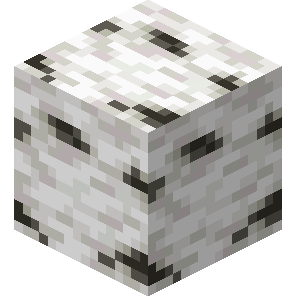


Ingredients:
Yield: 4
Uses for this Item (Recipes Including This)


















About
Planks are common blocks used as building blocks and in crafting recipes, and they are usually one of the first things that a player crafts in Survival mode. There are currently 13 variants of planks, which can be differentiated into three categories including Overworld planks made from tree logs, bamboo planks made from blocks of bamboo, and nonflammable Nether planks made from huge fungus stems.
Planks can be broken by hand, but using an axe speeds up the process, and specific wood variants generate naturally as part of structures such as woodland mansions, shipwrecks, and pillager outposts. For crafting, standard recipes require planks of the same type while other products allow planks of different types to be mixed freely. Overworld planks can be used as a fuel in furnaces to smelt 1.5 items per block, whereas crimson and warped Nether planks cannot be used as fuel.
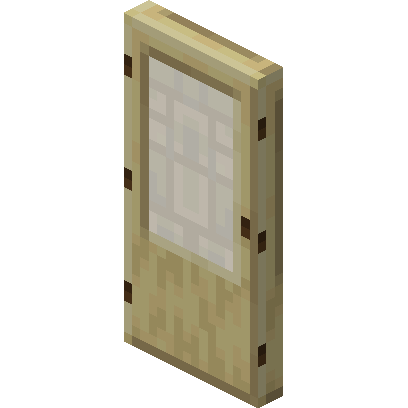
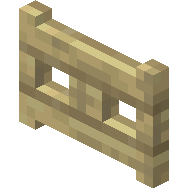
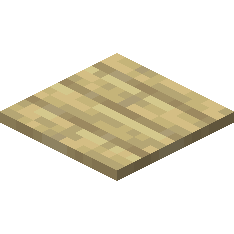
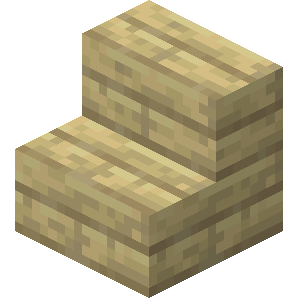
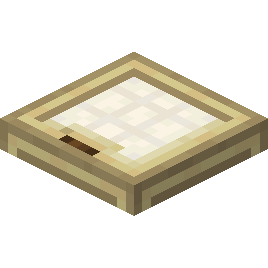
Planks are utilized extensively to build structures, craft ingredients, or serve as smelting fuel throughout survival gameplay. The 13 variants of wooden planks can be used interchangeably in many recipes, opening up millions of possible crafting combinations for items such as shields, chests, and chiseled bookshelves. Stairs, slabs, fences, fence gates, doors, trapdoors, pressure plates, buttons, signs, and boats must be crafted from planks of the same type with results depending on that specific wood type.
Planks function as the designated repair items for the wood tier and can be used to repair wooden swords, pickaxes, axes, shovels, hoes, spears, and shields in an anvil. Crimson and warped Nether planks cannot be used to make boats or act as furnace fuel, although they can be crafted into sticks or tools which can then be used as fuel. Players must gather substantial quantities of planks to complete all crafting variations efficiently, requiring precise inventory management during early survival progression.
Survival strategies often prioritize early plank acquisition to establish shelter, craft tools, and set up basic crafting tables and wooden equipment tiers. In multiplayer environments and complex builds, mixing wood types allows for diverse architectural detailing while utilizing generated structures like shipwrecks and mansions for quick resource gathering. Automation and resource planning around wood variants remain fundamental to efficient crafting and building workflows in both singleplayer and multiplayer worlds.